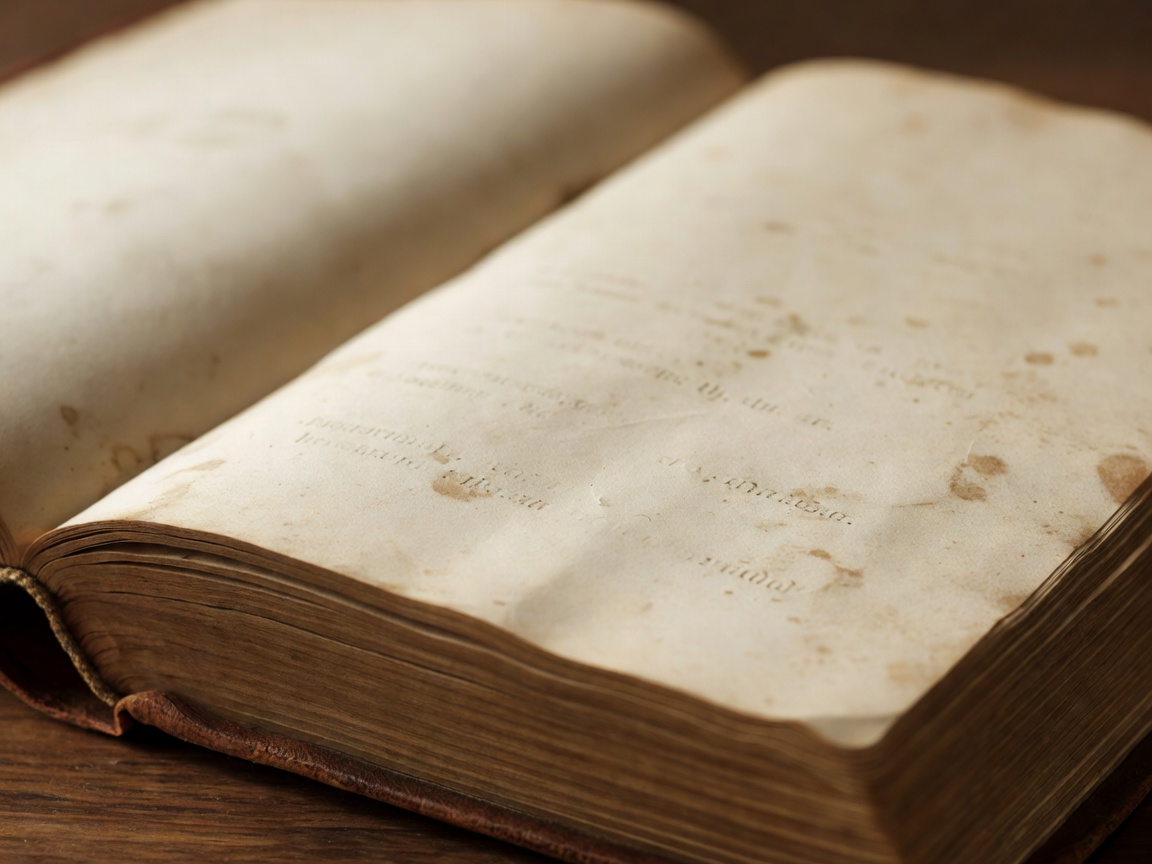
When you acquire a secondhand book, you purchase more than a story; you inherit a quiet fragment of another human life. Handwritten inscriptions on flyleaves, underlinings in faded graphite, and notes tucked within yellowing pages form an intimate dialogue between readers across generations.
The Echoes of Past Readers
Marginalia—the practice of writing in book margins—has a rich history stretching back to medieval manuscripts. Renaissance scholars regarded notes in margins as an essential way of engaging with classical texts. Today, encountering a scribbled agreement or fiery counterargument beside a printed paragraph brings historical readers vividly to life.
"A secondhand book is a physical archive of shared human thought—each annotation a quiet footnote left by a predecessor."
Ephemeral Treasures Between Pages
Beyond written notes, old books frequently hold forgotten artifacts: pressed ferns, train tickets from 1954, old postcard bookmarks, and unsent love letters. These accidental time capsules turn ordinary reading into archaeological exploration.
Preserving the Human Touch
While digital ebooks remain pristine and identical for every reader, physical books age alongside us. Their scuffs, inscriptions, and marginal notes ground us in a shared, tangible culture that digital media can never duplicate.